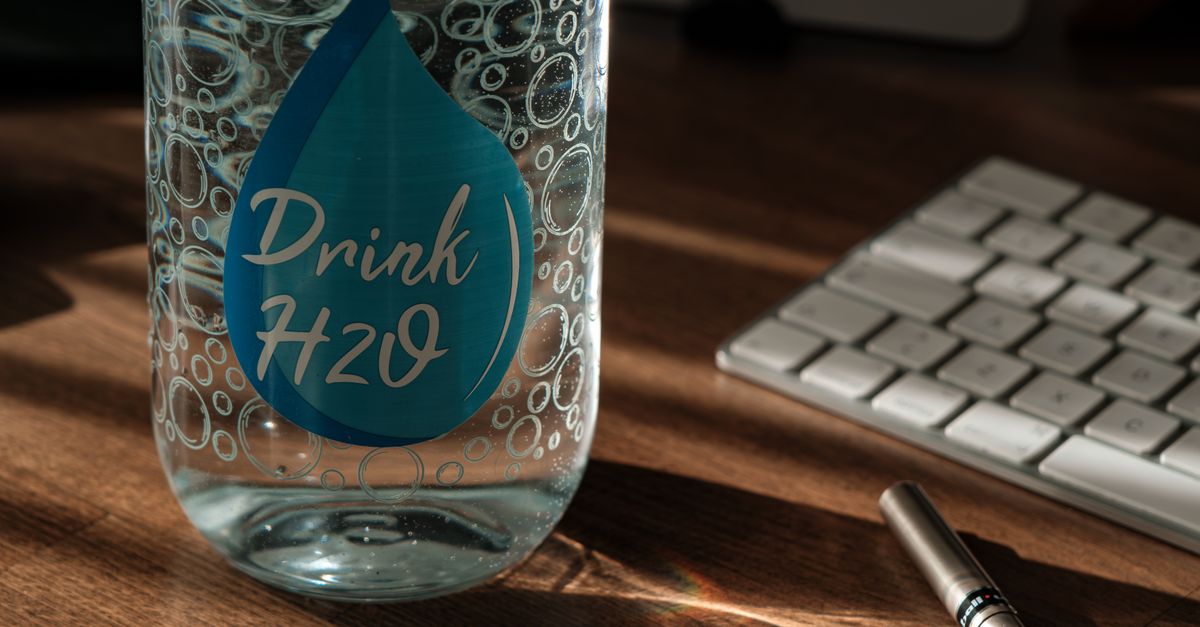
Why Drinking More Water Changes Everything
Water makes up about 60% of your body weight. It’s involved in nearly every biological process — transporting nutrients, regulating temperature, flushing waste, lubricating joints, and supporting brain function. Despite this, most people are chronically mildly dehydrated, often without realizing it.
You don’t need to feel thirsty to be dehydrated. By the time you feel thirst, you’re already mildly dehydrated. And even mild dehydration has measurable effects on how you feel and perform.
What Happens When You’re Dehydrated
Even a 1–2% decrease in body water (easily reached by simply going a few hours without drinking) can cause:
- Reduced concentration and cognitive performance
- Increased feelings of fatigue and tiredness
- Headaches (one of the most common causes)
- Reduced physical performance and endurance
- Mood changes, including irritability
- Slower metabolism and digestive issues
A 2011 study published in the Journal of Nutrition found that women with just 1.36% dehydration reported significantly lower mood, increased fatigue, and difficulty concentrating — even at rest.
How Much Water Do You Need?
The commonly cited “8 glasses a day” (about 64 oz or 2 liters) is a reasonable starting point for most adults, but individual needs vary based on body size, activity level, climate, and diet.
The National Academies of Sciences recommends a total daily water intake (from all beverages and food) of about:
- 3.7 liters (125 oz) for adult men
- 2.7 liters (91 oz) for adult women
Note: about 20% of water intake typically comes from food, especially fruits and vegetables. So your target for pure fluid intake is somewhat lower.
A more practical indicator: your urine should be pale yellow — not colorless (overhydrated) and not dark yellow (dehydrated).
Why It’s Hard to Drink Enough
Most people don’t drink enough water because:
- They’re busy and simply forget
- They don’t like the taste (or lack thereof)
- They drink other things instead — coffee, soda, juice — without compensating with water
- They confuse thirst with hunger and eat instead of drink
- It doesn’t feel urgent — the consequences of mild dehydration are subtle and easy to attribute to other causes
Practical Ways to Drink More
Anchor water to habits you already have
Drink a glass of water when you wake up, before each meal, and before bed. These four anchor points alone can significantly increase your intake.
Keep water visible
Out of sight, out of mind applies powerfully here. Keep a water bottle on your desk, in your bag, and on your kitchen counter. You’ll drink more simply because it’s in front of you.
Use a large water bottle
A 32-oz water bottle that you refill once is psychologically much easier to manage than eight 8-oz glasses. Find a bottle you like and keep it with you.
Make it more enjoyable
If plain water bores you, try:
- Sliced lemon, lime, cucumber, or mint
- Sparkling water (counts equally toward hydration)
- Herbal tea (hot or iced)
- Electrolyte packets (especially useful after exercise)
Eat water-rich foods
Many foods have very high water content: cucumber (96%), celery (95%), tomatoes (94%), strawberries (92%), and watermelon (92%). A diet rich in fruits and vegetables meaningfully contributes to your daily hydration.
Set reminders
Use your phone to set a water reminder every 1–2 hours. A few days of reminders is usually enough to start building the habit — then you can turn them off.
Hydration and Performance
Athletes and regular exercisers need more water, especially in hot or humid conditions. During exercise, you can lose 0.5–2 liters of water per hour through sweat. For workouts lasting less than an hour, water is usually sufficient. For longer or more intense sessions, consider adding sodium and electrolytes to prevent hyponatremia (low blood sodium from excessive plain water intake without replacing electrolytes).
The simplest health upgrade you can make today costs nothing and takes less than a minute: drink a glass of water right now.
Written by Editorial Team
wellness
Dedicated to bringing you accurate, useful content.
You Might Also Like

10 Morning Habits That Will Transform Your Day
Small changes to your morning routine can have a profound impact on your productivity, mood, and overall wellbeing. Here are 10 habits worth adopting.

How to Sleep Better Tonight: A Complete Guide
Poor sleep affects every aspect of your life. Here's what the science says about getting the rest you actually need.
Building Healthy Habits That Actually Stick
Most people know what they should be doing — the hard part is doing it consistently. Here's the science behind habit formation and how to use it.