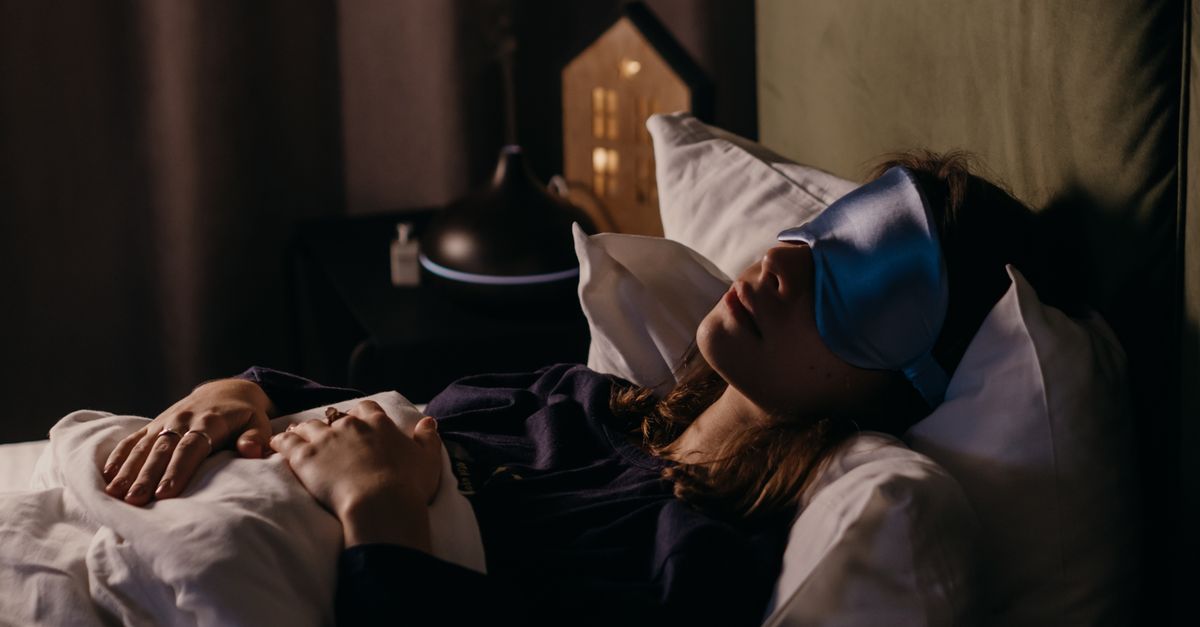
How to Sleep Better Tonight: A Complete Guide
Sleep is not a luxury — it’s a biological necessity. During sleep, your brain consolidates memories, your body repairs tissue, your immune system is strengthened, and your hormones are regulated. Chronic sleep deprivation is linked to increased risk of heart disease, diabetes, obesity, depression, and even early mortality.
Yet according to the CDC, one in three American adults doesn’t get enough sleep. If you’re among them, here’s what you need to know.
How Much Sleep Do You Actually Need?
The National Sleep Foundation recommends:
- Adults (18–64): 7–9 hours
- Older adults (65+): 7–8 hours
- Teenagers: 8–10 hours
Individual needs vary. Some people genuinely function well on 7 hours; others need 9. The key metric is how you feel during the day — not whether you hit a specific number.
The Science of Sleep Architecture
Sleep happens in 90-minute cycles, each containing different stages:
- Light sleep (N1, N2): Your body starts to relax; you’re easily awakened
- Deep sleep (N3): Physical restoration occurs; growth hormone is released
- REM sleep: Memory consolidation, emotional processing, dreaming
You need both adequate total sleep and enough cycles to get sufficient deep and REM sleep. Cutting sleep short often sacrifices these restorative stages.
Why You’re Not Sleeping Well
The most common culprits:
Blue light exposure. Screens emit blue light that suppresses melatonin production. Using your phone, tablet, or laptop within an hour of bedtime signals to your brain that it’s still daytime, making it harder to fall asleep.
Inconsistent schedule. Going to bed and waking up at wildly different times on weekdays versus weekends creates a version of social jet lag that disrupts your circadian rhythm.
Caffeine too late. Caffeine has a half-life of about 5–6 hours. A 3 PM coffee still has half its caffeine circulating at 9 PM. For sensitive individuals, even a 1 PM coffee can affect nighttime sleep.
Stress and worry. An activated nervous system is incompatible with sleep. Psychological stress is one of the leading causes of insomnia.
Room temperature. Your core body temperature needs to drop about 1–2°F to initiate sleep. A room that’s too warm can make this difficult.
Evidence-Based Strategies for Better Sleep
Establish a Consistent Sleep Schedule
Go to bed and wake up at the same time every day — weekends included. This is the single most effective thing you can do for sleep quality. It takes about two weeks to reset your circadian rhythm once you commit.
Create a Wind-Down Routine
Give yourself 30–60 minutes before bed to transition from active to restful. This might include:
- Dimming lights in your home
- Reading a physical book
- Light stretching or gentle yoga
- A warm bath or shower (the subsequent body temperature drop promotes sleepiness)
- Journaling or a brain dump
The goal is to signal to your nervous system that the day is over.
Optimize Your Sleep Environment
- Temperature: Keep your bedroom between 60–67°F (15–19°C) for optimal sleep
- Darkness: Use blackout curtains or a sleep mask; even small light sources can disrupt sleep
- Quiet: Use earplugs or a white noise machine if you’re sensitive to sound
- Reserve the bed for sleep: Avoid working, eating, or scrolling in bed — your brain should associate it only with sleep
Manage Caffeine and Alcohol
Set a caffeine cutoff time of noon or 2 PM at the latest. If you’re struggling with sleep, try cutting it off even earlier.
Alcohol is a common misconception. While it may help you fall asleep faster, it fragments sleep architecture and reduces REM sleep, leaving you more tired in the morning.
Address Racing Thoughts
If you lie awake with a spinning mind, try:
- 4-7-8 breathing: Inhale for 4 counts, hold for 7, exhale for 8. This activates the parasympathetic nervous system.
- Body scan: Mentally move your attention from your feet to your head, consciously relaxing each body part.
- Worry journaling: Write down everything on your mind before bed to give your brain permission to let it go.
When to See a Doctor
If you’ve tried these strategies consistently for several weeks and still struggle with sleep, it may be time to consult a healthcare provider. Conditions like sleep apnea, restless leg syndrome, and insomnia disorder are common and treatable.
Cognitive Behavioral Therapy for Insomnia (CBT-I) is considered the gold-standard first-line treatment for chronic insomnia — more effective long-term than sleep medications.
The Bottom Line
Better sleep is largely a matter of habits and environment, not willpower. Start with one change — whether that’s a consistent wake time, a phone curfew, or a cooler bedroom. Small improvements compound quickly when it comes to sleep.
Written by Editorial Team
wellness
Dedicated to bringing you accurate, useful content.
You Might Also Like

10 Morning Habits That Will Transform Your Day
Small changes to your morning routine can have a profound impact on your productivity, mood, and overall wellbeing. Here are 10 habits worth adopting.

Building Healthy Habits That Actually Stick
Most people know what they should be doing — the hard part is doing it consistently. Here's the science behind habit formation and how to use it.

Why Drinking More Water Changes Everything
Hydration affects your energy, focus, skin, digestion, and mood. Here's how to actually drink enough water every day.